I’m sure we’ve all heard the tiring and truly tried advice to increase fiber intake for a healthy (and fulfilling) diet. However, very few recipients of this advice understand what fiber IS exactly or how fiber ACTUALLY interacts with the gut to move digestion. So, what does fiber supposedly do for us?
According to Mayo Clinic staff, fiber assists largely in waste management by enhancing the weight and size of stool, reducing constipation and stimulating a smoother bowel experience. While fiber is touted as the ultimate strategy for a seamless digestive outcome, it otherwise causes bloating, abdominal cramps, and unwelcome flatulation in excess, creating an awkwardly full sensation.
Plant-based foods offer two sources of fiber: soluble and insoluble fiber. Soluble fiber dissolves in water, creating a gel-like substance that slows digestion and prolongs fullness. Insoluble fiber ideally stimulates movement to the large intestine. However, soluble fiber in large quantities leads to bloating and insoluble fiber in extremes results in intense bowel movement or painful constipation.
Fiber may not be the definitive enemy, but might pose frustrating side-effects that won’t be listed on dietary recommendations. Fiber is not just a healthy component of vegetable and wheat products, but a complex sugar that the human body is incapable of properly digesting, passing directly by the small intestine and landing straight into the short pit of the large intestine. Ouch.

One common and multitudinous type of dietary fiber, raffinose, naturally found in beans, whole grains, and vegetables akin to broccoli ferments in the large intestine, ultimately generating gas. Unknowingly, many pass by meal after meal holding an intolerance to raffinose, compounding already irritating symptoms.
Ordinarily, people experience discomfort when consuming fiber due to dehydration or gut imbalances. Worse yet, certain medical conditions create inherent fiber sensitivities, such as IBS, indigestion, hyperthyroidism, Crohn’s disease, and connective tissue disorders. For those with such conditions, doctors recommend the Low FODMAP diet, which involves limiting the intake of highly fermentable fibers. The Wake Internal Medicine Consultants, Inc. explains that “fiber is hit or miss” for many people experiencing gastrointestinal distress. More commonly than not, people with disparate food intolerances discover that the underlying culprit was fiber.
What now? Without cutting out fiber completely from the diet, consider increasing the intake of compounds that act in a similar manner, but that don’t inflame the gut, such as potassium. Potassium is an essential macromineral that reacts like dietary fiber in that it enables smooth muscle contractions for digestion, but that decreases inflammation and maintains gut lining counteracting the bloating and gas that may stem from the fibrous foods themselves.
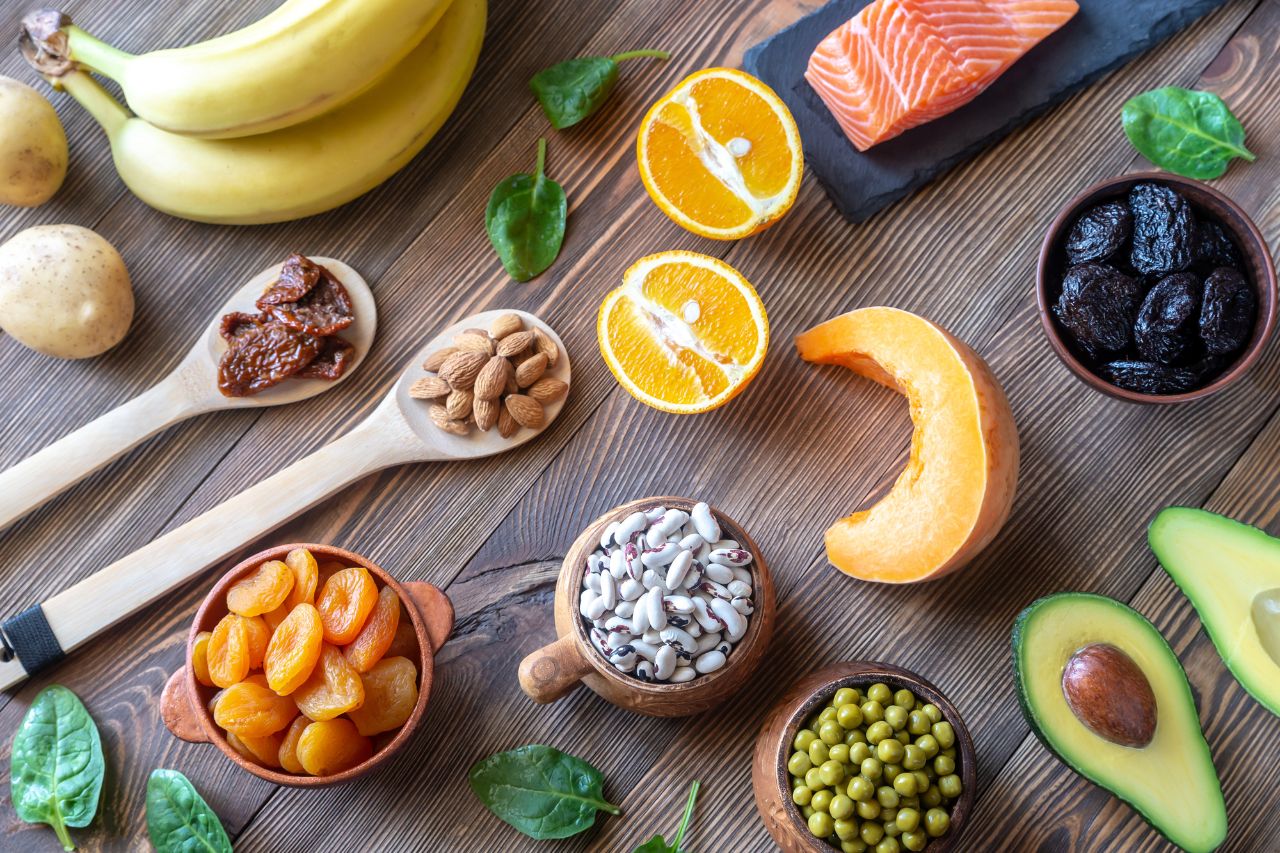
Potassium, found in “super food” like avocado, also contains lesser discussed additive benefits for the human body. These include: preventing cardiovascular disease by acting as an electrolyte, relaxing blood pressure to ward off strokes, and showing strong correlation with cognitive health—even more reason to consider potassium as not only a substitute, but a staple in crafting a sustainable lifestyle.
Foods rich in this mineral include the entire edible spectrum of a plate, from proteins like salmon, dairy such as yogurt (also a probiotic), and of course, an array of classic fruits and vegetables (see Harvard Health for an expanded list of potential options).
Health inevitably includes more than one vital compound, so there is unfortunately no “one-size fits all” solution. Thus, considering the inclusion of potassium as an alternative to fiber may prove a manageable option for those struggling with gut maintenance on top of balancing a hectic routine. Fiber is palatable in contained doses, but should be varied considerably with other vitamins and minerals in order to finally release excess discomfort.


Leave a comment