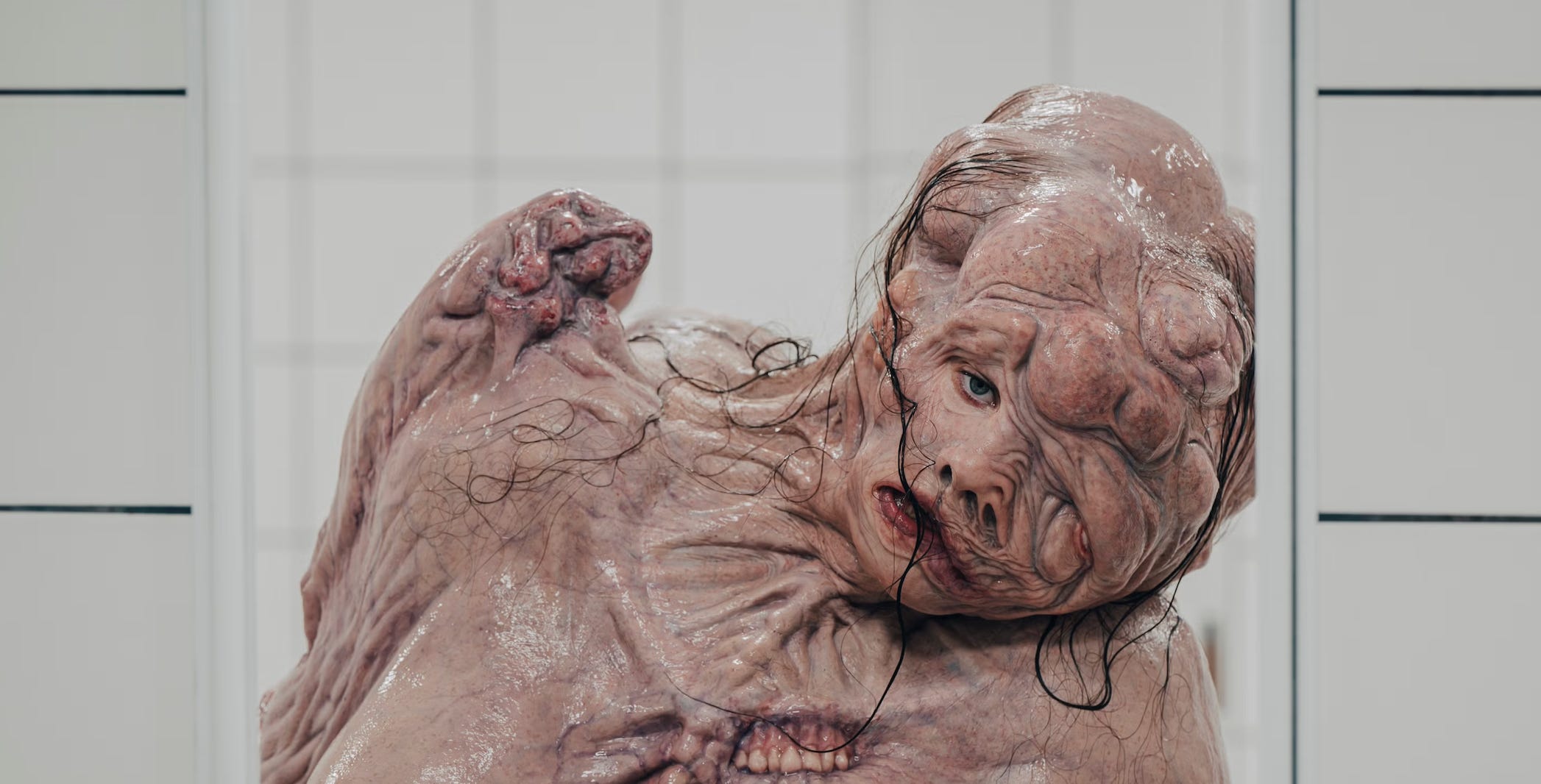
In The Substance, a harrowing film about the fear of aging, a woman becomes increasingly disfigured in a fleeting attempt to preserve her youth. After getting fired for looking “too old,” she tries to reclaim her prime by taking a mysterious substance. From the outset, this drug promises her a second chance at life. However, it comes with a catch: she is only one person. When she masquerades as her alter ego for too long, her former self quickly deteriorates. Instead of caring for her host body, she actively cannibalizes her physical survival to feed her vanity. In the end, the past collides with the present and she fuses into a monster. Her rapid physical decline ultimately exposes the futility of outrunning time. Much like mitosis, the substance never stops her from aging, only mimics regeneration. Throughout the film, the director uses the image of splitting eggs to establish that one set of DNA can’t duplicate life altogether. In a twisted parallel, many people falsely believe that they can somehow stop or reverse aging—going through extreme lengths just to do so.
:max_bytes(150000):strip_icc()/Southern-Living-Over_Easy_Eggs_003-81bf4b995bba426682c20d162b5193d0.jpg)
The “substance” may be a cartoonishly unsettling concoction of injections and rations, but the desperation for youth has triggered a real “black box” of mystical cholesterol-reducing olive oil packaged with the slogan “Build your autonomous self.” Bryan Johnson, tech entrepreneur turned biohacker, designed a precise lifestyle system, Blueprint, that he believes optimizes, nay, outsources, his body to a regiment of checkups, pills, and machines. Any action unaccounted for constitutes an act of violence, including indulgence, lust, and even God-given happiness, as human wants derail the data-based formula for wellbeing. However, Blueprint’s origins don’t arise from simple health consciousness but from the determination to reverse biological processes related to aging, fueling mythologies of eventual technological immortalization. Investigative author Charlotte Alter, with the assistance of reporter Leslie Dickstein, commentate on precise details of Johnson’s daily rhythm in the article The Man Who Thinks He Can Live Forever, revealing the startling lack of humanity that results in the quest for a longer lifespan. His personal bedroom may as well be a sensory deprivation tank, as his chambers only contain the bare minimum for a quantitative sleep. No personal items, no junk, no evidence of a man who enjoys his life. Bryan also substitutes breakfast, lunch, and dinner, for named meals, 1 to 3. Considering how depraved and calculated his environment is, it’s no surprise that he idolizes perfect alignment with AI systems, his 21st century savior.
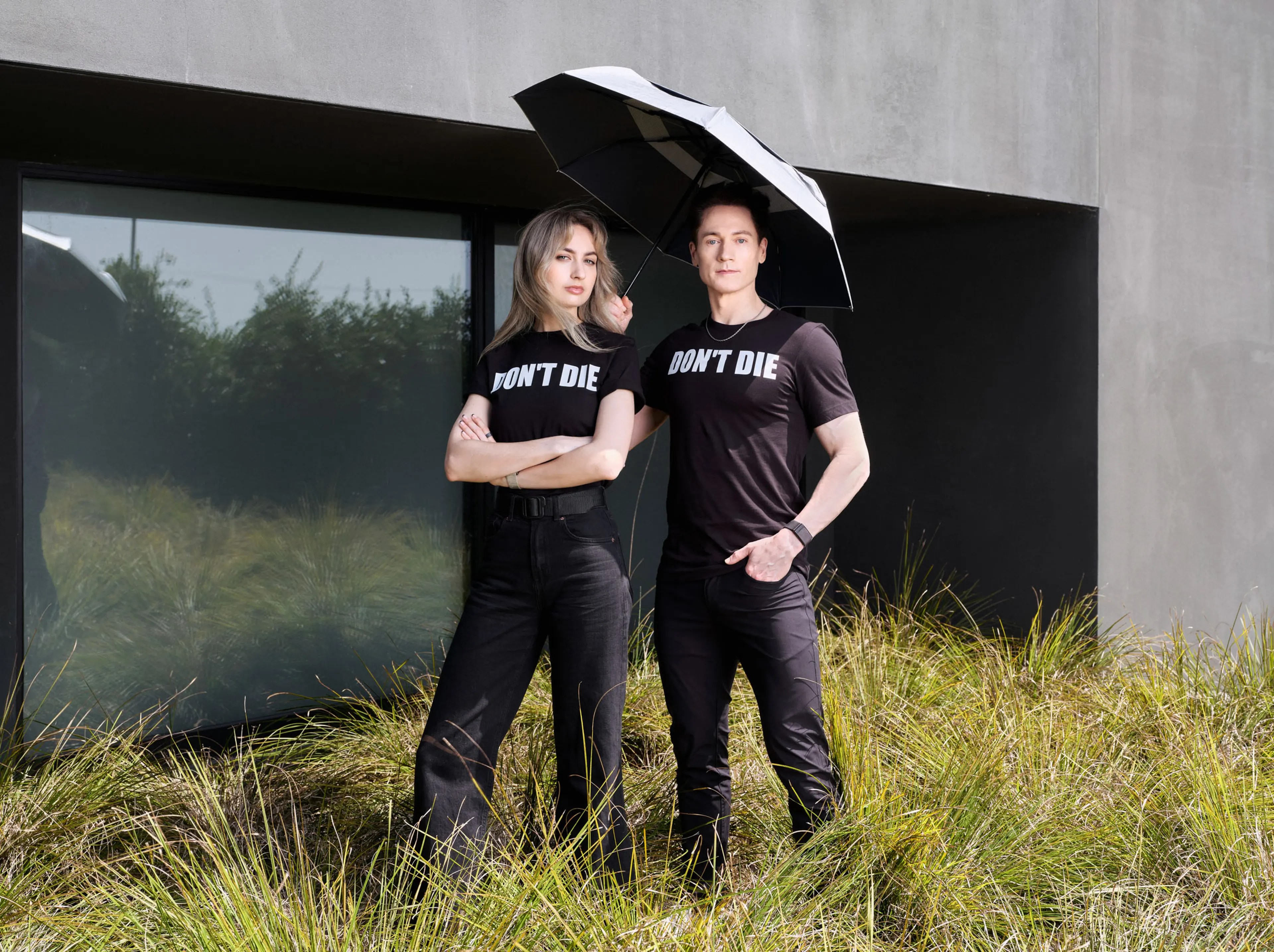
If becoming immortal means becoming artificial, then leave me out of it. I’d take the stomach pain from eating ice cream on a lactose stomach to a scientifically destructive diet, given Johnson’s recent diagnosis of incurable autoimmune gastritis. Likely a drastic consequence of this medical revelation, Johnson has sought after even more extreme methods of potentially extending his inevitable death. He now claims to have “cloned” himself, for the purpose of blood transfusion, or even future organ donations. Now, I don’t need to explain why creating a clone is a bad idea. There are countless sci-fi movies (and novels) exploring the same topic. Whether or not this feat is even scientifically valid is another issue. Doctors hold that, no, there is not another little Bryan Johnson, but that through the process of creating iPSCs, or “induced pluripotent stem cells,” turning samples from the adult body into something akin to embryonic cells, one can perhaps simulate replicas of different organ cells, or organoids. However, the possibility that in the near future technologies such as this could be honed to create fully functional organs, or even larger functions of the body is quite alarming. The question I beg, is why? Human transplants and transfusions already exist, so the answer may be closer to why reverse aging in the first place. Immortality.
Bryan Johnson’s case is no doubt bizarre and seemingly isolated. But as The Substance displays, the search to regenerate a younger appearance or hold onto a past image of the self, does not live in Johnson alone. On a perhaps less aggressive but more salient note, young women have begun to religiously inject “preventative” botox into their foreheads and jowls. What need do those with abundant collagen production naturally have for pausing or altogether halting aging? Have young women been brainwashed into pursuing beauty at any cost, or is this trend evidence of a more sinister undercurrent?
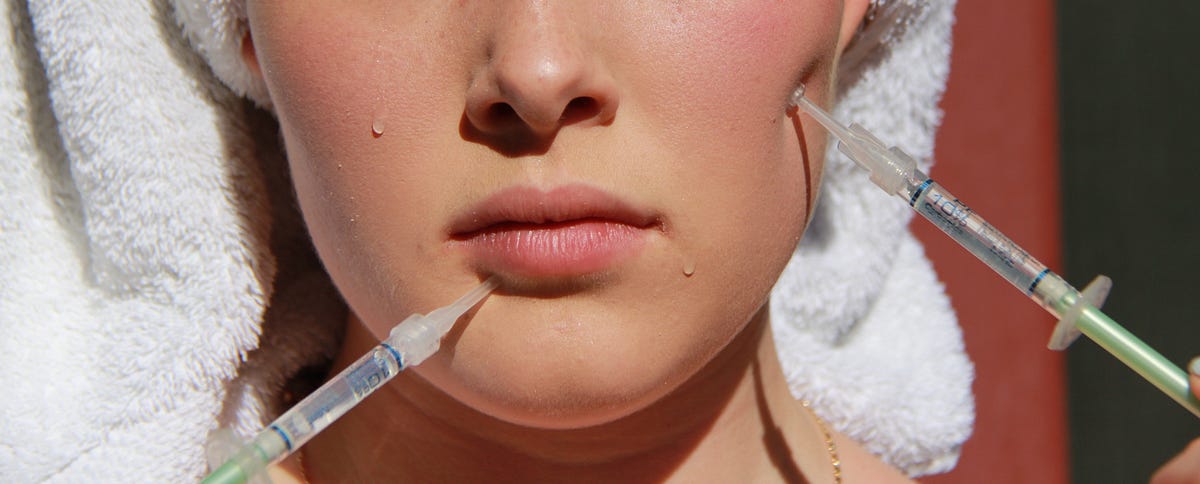
Many women claim to undergo cosmetic procedures for their self-esteem or health, but those reasons don’t explain why they fixate over looking younger. Online, countless influencers flaunt their alleged “baby faces” and overload on makeup to mask their natural contours. For them, looking any older than 30 serves as the ultimate moral failure. Even though youth and beauty don’t directly correlate, people still wish to look young forever. While looking youthful has its perks, nobody would want to look young indefinitely unless they never contemplated death. Disturbingly, most scientists genuinely believe that certain interventions will reverse or cure aging. They claim that aging functions the same as other diseases and “doesn’t need to happen.”
For years, biotech corporations have frantically tested age reversing techniques, to no avail. Recently, scientists turned to cell “reprogramming” or cell altering. In full reprogramming, four master-regulator proteins wipe the cell’s epigenetic code and rewind its biological clock. If used briefly, scientists can supposedly preserve the cell’s identity while removing age-related damage. Under this framework, DNA serves as the body’s hardware and the epigenetic code becomes adjustable software. While cells slowly deteriorate, scientists hope that resetting their code will restore the hardware’s functioning capacity. This workaround not only ignores other aspects of aging but denies a fundamental part of human existence. Nobody can last forever, so resisting death may as well be transhuman. As Live Science reports, “aging is mathematically inevitable” due to the way cells interact. During cell division, cells either weaken or mutate. At a certain point, the amount of sluggish or cancerous cells will overtake the other. Even if scientists reverse a cell’s code, the DNA remains vulnerable to everyday wear and tear. Treating the body like a machine feeds the delusion that artificial solutions can override natural outcomes. AI models should not be the standard for how humans operate, and attempting to engineer an ageless body seems like a desperate attempt to match AI’s permanence.
Over the past decade, scientists and health professionals to tech hobbyists and AI enthusiasts have speculated whether or not the human brain and computers can become interconnected. So far, explorations have mostly been displayed in critically acclaimed films, and the promise of neurotransmitters and neurolinks have been bubbling under tight quarters. Now, in the “Big 26”, billionaire CEO’s have stoked the flames of a burgeoning doomsday apocalypse in which humans may become obsolete or zombified if not aligned with increasingly non-neutral technologies. Perhaps the individuals who co-sign preventative botox procedures and anti-aging propaganda are blissfully unaware of the predetermined AI war, or, unwillingly, they subconsciously rationalize such fears by believing that they will be safe, or spared, because they have not yet reached the accepted age of death. Thus, the more inhuman, unnatural, and unempathetic they become as a result of relaxing facial muscles and numbing emotions, the more likely they will be to overcome or even outlast the outburst of AI technology.
However, these fears are not entirely unfounded or irrational, as human beings have increasingly become degraded as a lesser species, and the remaining intelligences of the race have become nothing more than a joke. Books are now shredded and destroyed, schools are shutting down their lights, and if the plots of George Orwell’s books coming true aren’t worrisome enough, Singapore has begun to entertain a data center powered entirely by human brain cells. Yes, rather than AI becoming a tool for humans, we are now becoming a tool for AI. Despite being more environmentally stable, the potential ethical concerns are obvious. These lab-grown stem cells will be able to “fill in” the gaps of AI development, and can even prove useful for designing humanoid robots. If we are becoming increasingly more robotic, and AI is desperate to become more human, then the ultimate survival strategy may actually be death. To distinguish ourselves from our up-and-coming counterparts with silicone skin and programmed feelings, we should allow the plasticity of our skin to age naturally and the ugliness of scarring (physical and emotional) to remain proudly visible. There is no way to win by blending in or hiding, or by letting ourselves succumb to the interests of science by offering up our autonomy to computer learning. Like Demi Moore’s character in The Substance, individuals only become more monstrous, more hideous, once they abandon their humanity at the cost of immortality. True beauty is aging. True living is ugly. True victory is happiness. If ever offered a mysterious invitation to become more youthful, think twice before signing away the one process still differentiable from artificial intelligence: the inevitability of death.


Leave a comment